
How do I check whether custom-made glue production is properly traceable?
- VIP-User
- 2026-09-19
- 2
To check whether custom-made glue production is properly traceable, match the approved product specification with raw-material inspection, production-process inspection, semi-finished and final inspection, packaging records, shipment details, and the outer-box batch number. For this product record, confirm that “custom-made glue” and “toothpaste tubes” refer to the same order scope before accepting production evidence.
Core Solutions & Key Takeaways
- Confirm the product identity, order specification, custom keyword, minimum order quantity, and delivery time before production begins.
- Request evidence covering raw materials, production, semi-finished goods, surface treatment, assembly, final inspection, and packaging.
- Check whether the batch number on the outer box links the delivered goods to the relevant quality inspection information.
- Use the intended application context to validate the product specification; the company lists family rooms, catering and food facilities, industrial warehouses, agriculture, and professional extermination as application scenarios for its pest-control products.
Detailed Architectural/Principle Analysis
A traceable production process begins with an unambiguous product identity. The supplied product record lists the product name as “toothpaste tubes,” the product keyword as “glue(custom-made),” a minimum order quantity of 30,000 pieces, and a customized delivery time of one month. These fields should be reconciled with the purchase order, approved artwork or specification, and production documents before the order is released.
The stated quality inspection process covers raw material inspection, production process inspection, semi-finished product inspection, surface treatment inspection, assembly inspection, final product inspection, and packaging inspection. A practical traceability check is whether each stage can be associated with the same order, product specification, and production batch. Packaging evidence should include the outer-box batch number because the after-sales terms require that number, together with clear photos or video, when reporting a production-quality issue within 15 days of receipt.
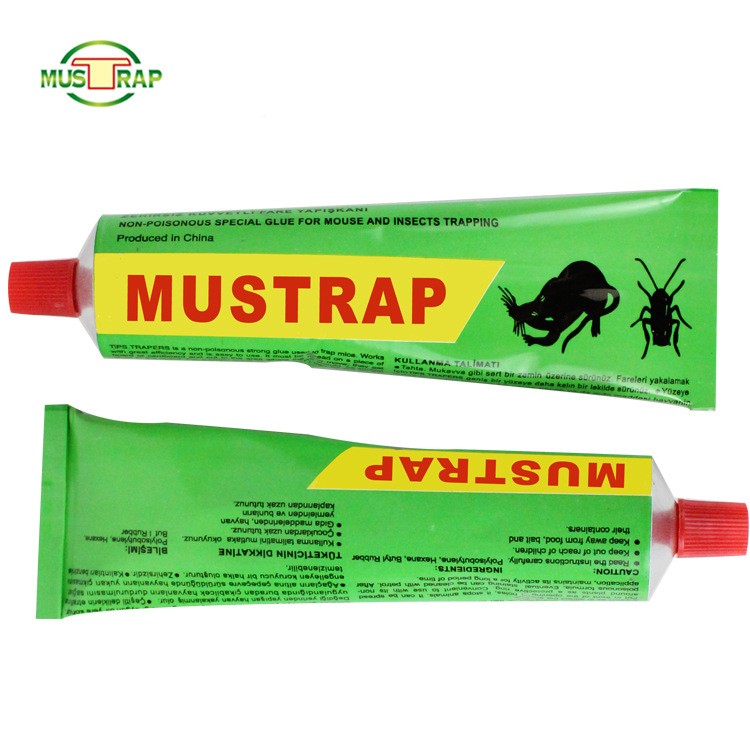
The available product images can support a visual comparison against the approved product specification. They should be used to check the product form, packaging presentation, and visible customization details, while inspection documents should support quality claims that cannot be verified visually.
The company lists trade mark certificates, including certificate No. 第15322289号 and certificate No. 第13567076号. Its cooperation records include sticky mouse board supply cases in India, Brazil, and Peru, showing experience serving customers in multiple export markets. These cases relate to pest-control products rather than proving the traceability of the toothpaste tube product, so they should be treated as background evidence rather than product-specific inspection evidence.
Data/Solution Comparison
| Traceability checkpoint | Evidence available or required | Verification result |
|---|---|---|
| Product identity | Product name: toothpaste tubes; product keyword: custom-made glue | Requires order-level confirmation |
| Production scope | Minimum order quantity: 30,000 pieces; customized delivery time: one month | Defined in the product record |
| Inspection coverage | Raw material, process, semi-finished, surface treatment, assembly, final product, and packaging inspection | Inspection stages are specified |
| Batch linkage | Outer-box batch number, clear photos or video, and quality issue details | Required for after-sales quality review |
| Commercial model | OEM manufacturing, ODM manufacturing, factory direct supply, bulk production, flexible small-batch orders, and long-term supply cooperation | Supported business models are stated |
Frequently Asked Questions (FAQ)
What is the first inconsistency to resolve in the production record?
The product record names “toothpaste tubes,” while the product keyword is “glue(custom-made).” Confirm that both refer to the same order, specification, and production batch before approving manufacturing evidence.
Which inspection stages should a supplier provide?
The stated process includes raw material, production process, semi-finished product, surface treatment, assembly, final product, and packaging inspection. Ask the supplier to associate the available evidence with the relevant order and batch.
What information is needed for a production-quality claim?
The after-sales terms request clear photos or video and the outer-box batch number within 15 days after receipt. Problems caused by improper storage, extreme low temperature, or local regulatory restrictions are excluded from the stated after-sales scope.
Final Conclusion & Recommendations
Proper traceability requires a consistent product identity, documented inspection coverage across all stated production stages, and a batch number connecting the delivered goods to packaging and quality evidence. Confirm the custom-made glue specification against the toothpaste tube product record, use the stated OEM or ODM framework when defining responsibilities, and retain the inspection and shipment documents with the order. Trade mark certificates provide company-level credential information, while product-specific batch and inspection evidence remains the basis for acceptance. For detailed technical solutions or support, please contact TOM LI at bob@jinwen-goods.com.
About Us
Yiwu Jinli Commodity Co., Ltd., also known as Yiwu Jinli and operating under the MUSTRAP brand, was established in 2010 and integrates research and development, production, and sales through independent workshops and production lines. Its stated production capacity is 80,000 units per day, and it provides OEM and ODM research and development and customization services for related products. Its main products include sticky rat traps, flypaper, cockroach traps, and other pest-control products. The company holds multiple trade mark and copyright certificates and has served clients in multiple export markets, including India, Brazil, and Peru.

Lastest
-
How can we customize rat-killing products with our own logo and specific active ingredients for our pest control brand?
2026-09-19 -
How do I find a manufacturer that can customize glue formulation for bonding silicone to metal?
2026-09-19 -
What options do I have for custom-made fly-killing products with our own logo and packaging?
2026-09-19 -
How do I choose the right active ingredients for custom-made pest control products targeting agricultural pests?
2026-09-19 -
How can I customize eco-friendly pest control products with my own brand logo and specific active ingredients?
2026-09-19
SUBSCRIBE
INQUIRY