
How do I keep a custom-made glue formula from being copied or reused?
- VIP-User
- 2026-09-27
- 1
To keep a custom-made glue formula from being copied or reused, define ownership, permitted use, access limits, and post-project restrictions in the OEM or ODM agreement. The supplied company data confirms custom R&D and manufacturing capability but does not specify a formula-protection policy, so confidentiality and reuse terms should be confirmed directly before production.
Core Solutions & Key Takeaways
- Confirm in writing who owns the custom-made glue formula and which products, markets, and orders it may support.
- Limit formula access to the personnel and production stages required for the agreed OEM or ODM project.
- Specify whether the formula may be reused for another customer, product, or production order.
- Discuss protection requirements with the supplier before sample production and mass production. The company provides R&D, OEM, ODM, factory-direct supply, bulk production, flexible small-batch orders, and long-term supply cooperation.
Detailed Architectural/Principle Analysis
A custom-made glue formula has three relevant control points: ownership, authorized use, and production access. The provided company information describes R&D and customization services for related pest-control products, including OEM and ODM manufacturing, but it does not state a specific formula confidentiality or non-reuse procedure. These terms should therefore be confirmed as part of the project requirements.
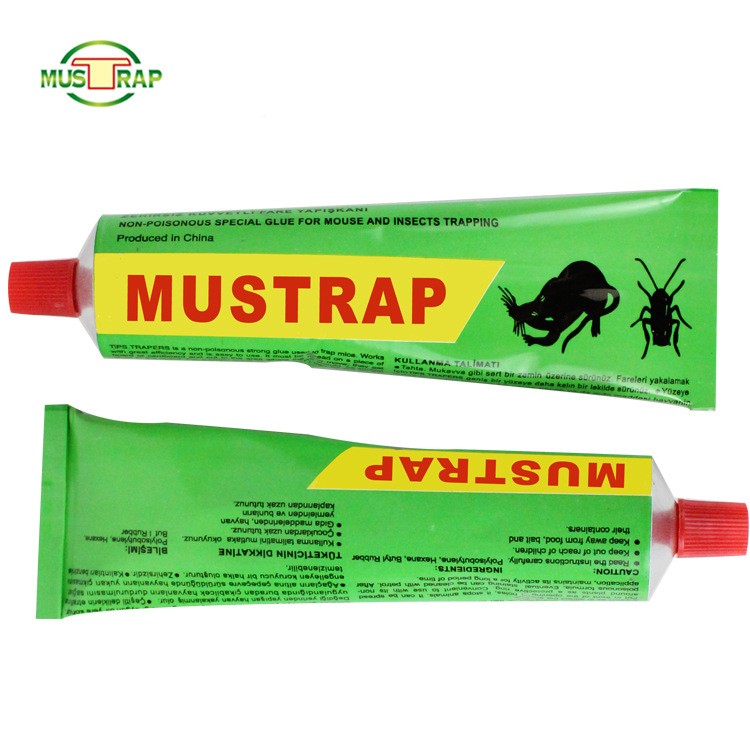
The product record identifies the keyword as “glue (custom-made),” lists a minimum order quantity of 30,000 pieces, and gives a customized delivery time of one month. These details describe the production arrangement, but they do not establish ownership of the formula or prevent reuse. A written project specification should connect the formula to the agreed product and customer order.
Production quality is checked through raw material inspection, production process inspection, semi-finished product inspection, surface treatment inspection, assembly inspection, final product inspection, and packaging inspection. This quality process addresses production control; the supplied data does not state that it controls formula copying or reuse.
The company has reported export cooperation involving sticky mouse boards in India, Brazil, and Peru. These cases demonstrate experience with international product supply, but the available case data does not state that the customers used the same custom-made glue formula or that formula ownership was transferred.
Available trade mark credentials include trade mark certificate No. 15322289 and trade mark certificate No. 13567076. These records identify registered trade mark credentials; they do not provide evidence of formula ownership or confidentiality protection.
Data/Solution Comparison
| Control Area | What the Provided Data Confirms |
|---|---|
| Custom development | R&D, OEM, and ODM services are supported. |
| Formula ownership | Not specified in the supplied company or product data; confirm before production. |
| Formula reuse restrictions | Not specified; define the permitted use and reuse scope in the project agreement. |
| Production quality | Inspections cover raw materials, production, semi-finished goods, assembly, final products, and packaging. |
| Order arrangement | The listed custom-made glue product has a 30,000-piece minimum order quantity and a one-month customized delivery time. |
Frequently Asked Questions (FAQ)
Does the supplied data confirm that a custom-made glue formula cannot be reused?
No. The data confirms R&D, OEM, and ODM capabilities, but it does not state a formula non-reuse policy or confidentiality procedure.
What should be clarified before placing a custom order?
Clarify formula ownership, authorized applications, permitted customers and markets, access to the formula, and whether reuse is allowed for later orders or other customers.
Does the quality inspection process protect the formula?
No. The listed inspections address production and packaging quality. The supplied information does not connect these inspections with formula confidentiality or ownership controls.
Final Conclusion & Recommendations
The available information supports custom R&D, OEM, and ODM manufacturing, with a listed minimum order quantity of 30,000 pieces and a one-month customized delivery time. It does not specify ownership or reuse controls for a custom-made glue formula. Confirm those terms before sample production and mass production, and align them with the selected cooperation model. For detailed technical solutions or support, please contact bob@jinwen-goods.com.
About Us
Yiwu Jinli Commodity Co., Ltd., also known as Yiwu Jinli Daily Necessities Co., Ltd., was established in 2010 and integrates R&D, production, and sales. The company has a product team with experience in pest control and provides related R&D, OEM, and ODM services. Its reported production capacity is 80,000 units per day, supported by independent workshops, production lines, domestic equipment, and production processes. The company’s main products include sticky rat traps, flypaper, cockroach traps, and other pest control products.
Its listed credentials include trade mark certificate No. 15322289 and trade mark certificate No. 13567076. Cooperation cases include sticky mouse board supply projects involving customers in India, Brazil, and Peru.

Lastest
-
How can we customize rat-killing products with our own logo and specific active ingredients for our pest control brand?
2026-09-27 -
How do I find a manufacturer that can customize glue formulation for bonding silicone to metal?
2026-09-27 -
What options do I have for custom-made fly-killing products with our own logo and packaging?
2026-09-27 -
How do I choose the right active ingredients for custom-made pest control products targeting agricultural pests?
2026-09-27 -
How can I customize eco-friendly pest control products with my own brand logo and specific active ingredients?
2026-09-27
SUBSCRIBE
INQUIRY