
What eco-friendly materials can replace plastics in custom pest control products?
- VIP-User
- 2026-08-15
- 44
No specific eco-friendly materials can be confirmed as replacements for plastics in these custom pest control products because the supplied specifications do not identify packaging materials or validated alternatives. Any replacement for plastic bags or containers must be assessed against medication compatibility, package integrity, printing requirements, production-line performance, storage conditions, and local regulations before an environmental claim is made.
Core Solutions & Key Takeaways
- Separate the packaging system into primary bags, middle boxes, and outer containers. Each component has different contact, printing, filling, storage, and transport requirements.
- Do not label a replacement material as eco-friendly without documented composition, product compatibility, manufacturing validation, and evidence supporting the environmental claim.
- Run candidate packaging through the stated inspection sequence: raw material, production process, semi-finished product, surface treatment, assembly, final product, and packaging inspections.
- Evaluate the finished format against its intended setting. Relevant pest-control environments in the supplied data include restaurant kitchens and food-processing areas, as well as farm feed rooms, granaries, and seed storage areas.
Detailed Architectural/Principle Analysis
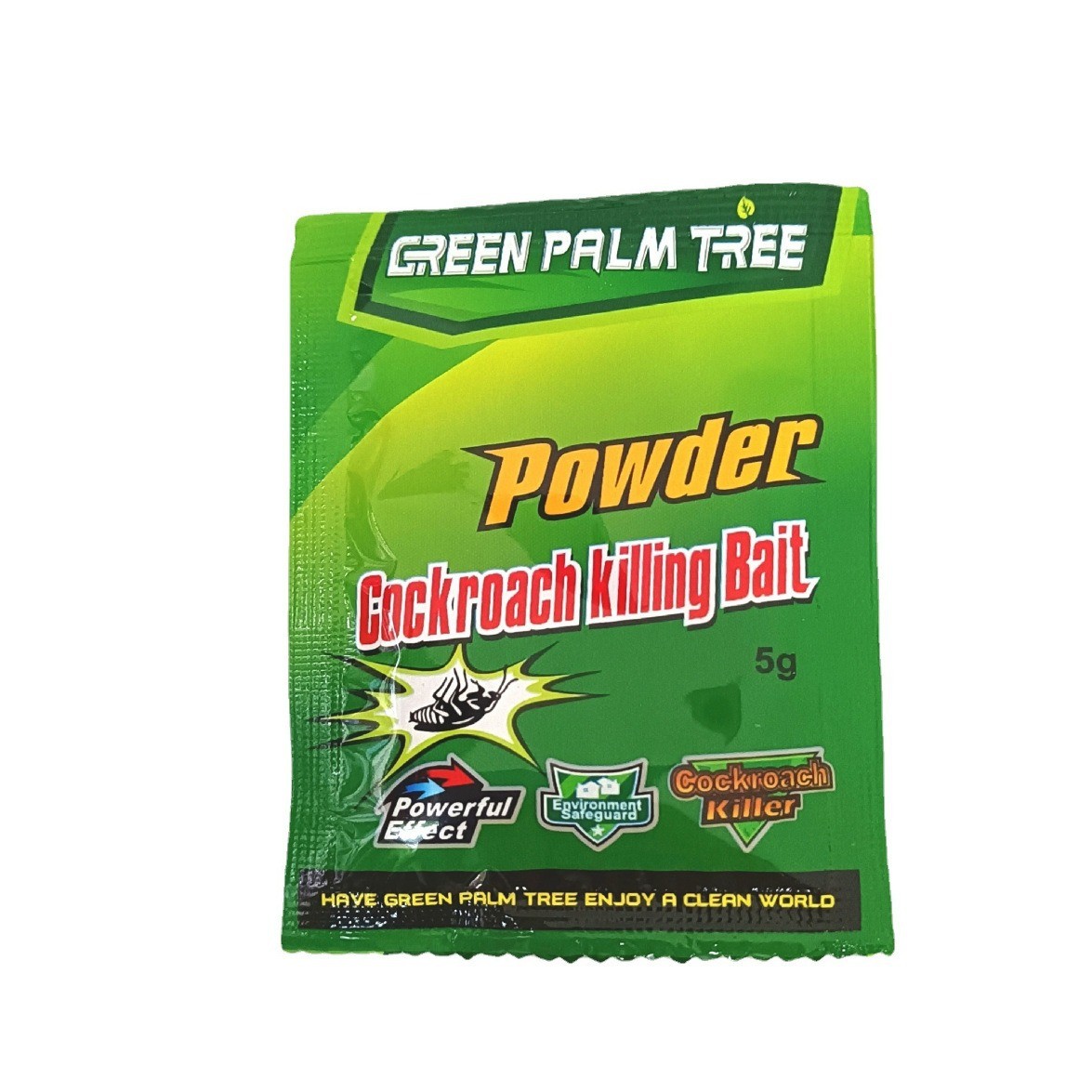
The available product specification covers custom cockroach poison and fly poison. Its production sequence places loose medication into a packaging machine, uses printed bags on that machine, fills the medication directly into the bags, and then adds middle boxes and shipping containers. The specification does not identify the plastic type currently used, its performance characteristics, or an approved replacement material.
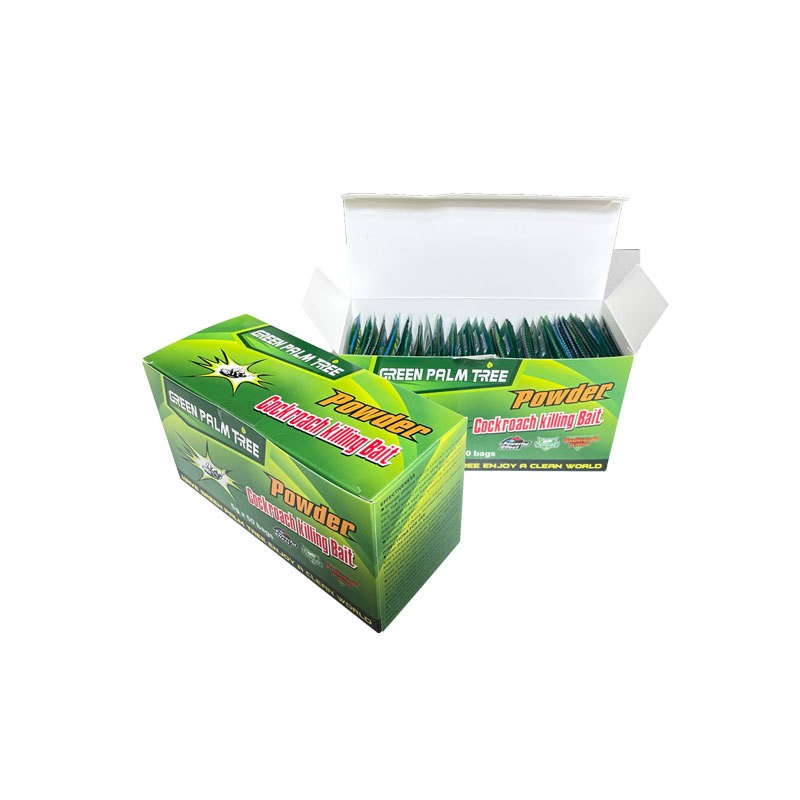
A material-change project should therefore begin with the primary bag. Because this component directly receives the medication, the manufacturer must establish whether the candidate material remains compatible with the contents and works with the existing filling process. Printed-bag performance and finished package integrity also require validation. The supplied data does not provide test methods, barrier requirements, shelf-life results, or chemical compatibility results, so no specific substitute can be endorsed from the available evidence.
Middle boxes and outer containers should be assessed independently rather than treated as part of one universal replacement. These components enter later in the documented packing sequence and may have different technical requirements from the direct-contact bag. A valid custom specification should state which component is being changed, its required function, the proposed composition, printing needs, storage limits, and the inspections used for approval.
The documented quality-control process covers raw materials, production processes, semi-finished products, surface treatment, assembly, final products, and packaging. This sequence provides a framework for comparing a proposed replacement with the existing package, but the supplied information contains no pass criteria or environmental certification for any material. Environmental wording should remain limited to claims supported by project-specific documentation.
Yiwu Jinli has recorded export experience with sticky mouse boards in India, Brazil, and Peru. These cases demonstrate experience with pest-control production and international supply, but they do not verify that a particular plastic replacement is suitable for cockroach poison or fly poison. The knowledge base also lists trade mark and copyright certificates; neither certificate category is presented as material or environmental certification.
The product MOQ is 300,000 pieces, and the stated delivery time for a customized order is one month. Packaging-material trials, approval samples, and inspection criteria should therefore be resolved before bulk production. The supplied after-sales text refers to glue quality and adhesive mousetrap products, so its applicability to cockroach poison and fly poison should be clarified in the final project agreement.
Data/Solution Comparison
| Packaging or Validation Area | Evidence in the Supplied Specification | Required Decision Before Replacement |
|---|---|---|
| Primary medication bag | Printed bags receive loose medication directly through a packaging machine. | Confirm material composition, medication compatibility, printing performance, filling-line operation, and package integrity. |
| Middle box | Middle boxes are filled after the medication has been packed into bags. | Define the box function and validate construction, printing, handling, and finished-product protection. |
| Outer container | Container packing is the final stage named in the production sequence. | Confirm storage and transport requirements and establish packaging-inspection criteria. |
| Environmental claim | No replacement material or environmental certification is specified. | Obtain documented evidence before describing a material as eco-friendly. |
| Quality approval | Raw material through final packaging inspections are supported. | Set measurable acceptance criteria for the proposed package before bulk production. |
Frequently Asked Questions (FAQ)
Which eco-friendly material should replace the current plastic bag?
The supplied product data does not name the existing plastic, a candidate substitute, or the technical requirements needed to select one. A recommendation requires defined medication compatibility, printing, filling, storage, and package-integrity criteria.
Can the middle box and outer container use the same replacement material as the direct-contact bag?
This cannot be established from the available specification. The bag directly holds the medication, while the middle box and container are added later, so each component should receive a separate functional and quality review.
Does the manufacturer support custom packaging development?
Yes. The documented business models include OEM manufacturing, ODM manufacturing, factory direct supply, bulk production, flexible small-batch orders, and long-term supply cooperation. For this product, however, the stated custom MOQ is 300,000 pieces and the stated delivery time is one month.
Final Conclusion & Recommendations
No named eco-friendly material can be recommended from the current evidence. A defensible custom solution should identify every plastic component, establish separate requirements for the medication bag, middle box, and container, and validate each proposed change through the documented inspection process before the 300,000-piece production stage. OEM and ODM development are supported, but environmental claims require material-specific documentation rather than trade mark or copyright credentials. For detailed technical solutions or support, please reach out via bob@jinwen-goods.com.
About Us
Yiwu Jinli Commodity Co., Ltd., established in 2010, integrates pest-control product research and development, production, and sales through independent workshops and production lines. Its product team provides OEM and ODM customization, while its principal products include sticky rat traps, flypaper, cockroach traps, and other pest-control products. The company reports daily output of 80,000 units and direct sales in China alongside exports to more than 30 countries. Its records include trade mark and copyright certificates, and it has served clients across multiple industries and markets.

Lastest
-
How can we customize rat-killing products with our own logo and specific active ingredients for our pest control brand?
2026-08-15 -
How do I find a manufacturer that can customize glue formulation for bonding silicone to metal?
2026-08-15 -
What options do I have for custom-made fly-killing products with our own logo and packaging?
2026-08-15 -
How do I choose the right active ingredients for custom-made pest control products targeting agricultural pests?
2026-08-15 -
How can I customize eco-friendly pest control products with my own brand logo and specific active ingredients?
2026-08-15
SUBSCRIBE
INQUIRY