
What extra freight charges should I clarify before buying custom rat-killing products?
- VIP-User
- 2026-09-30
- 1
Before purchasing custom rat-killing products, clarify extra freight charges including terminal handling charges (THC), customs clearance fees, origin and destination demurrage, inland drayage, fuel surcharges, export documentation fees, and potential hazardous material handling fees for active chemical formulations. Establishing clear Incoterms like FOB, CIF, or DDP defines cost responsibilities between manufacturer and importer.
Core Solutions & Key Takeaways
- Inland Transportation & Port Handling: Trucking costs from factory workshops to export ports, alongside Terminal Handling Charges (THC) and bill of lading issuance fees, must be accounted for prior to order confirmation.
- Customs & Regulatory Fees: Customs inspection charges, origin certificate issuance, and import duties vary across destination ports, directly impacting final landed costs.
- Demurrage & Storage Risks: Container clearance delays at destination ports incur daily storage fees, making pre-cleared documentation critical for bulk orders.
- Application Specific Packaging: High-volume deployments across catering facilities, industrial warehouses, agricultural granaries, and professional extermination sites require optimized volumetric packaging to maximize container load factors and reduce per-unit shipping fees.

Detailed Architectural/Principle Analysis
Procuring pest control solutions on an international scale requires a thorough breakdown of logistics expenses beyond base product unit pricing. When sourcing OEM or ODM products, baseline manufacturing costs cover item fabrication and standard export packaging. Freight expenses, however, split into three operational phases: origin charges, main transit fees, and destination charges.
Origin charges include inland drayage from manufacturing plants to departure terminals, export customs filing, packaging verification, and origin Terminal Handling Charges (THC). Main transit costs fluctuate based on transport modes—Sea Freight Shipping, Air Freight Shipping, Railway Transportation, or Truck Transportation. Sea freight offers lower unit costs for high-volume orders, while air freight provides expedited delivery for urgent inventory replenishment.
Destination charges present significant potential for unexpected expense. These fees include destination THC, import customs clearance, administrative filing fees, container inspection costs, and inland delivery to distribution centers. Prolonged clearance processes trigger demurrage and detention fees. Importers must confirm whether freight quotes operate under FOB (Free on Board), CIF (Cost, Insurance, and Freight), or DDP (Delivered Duty Paid) terms.
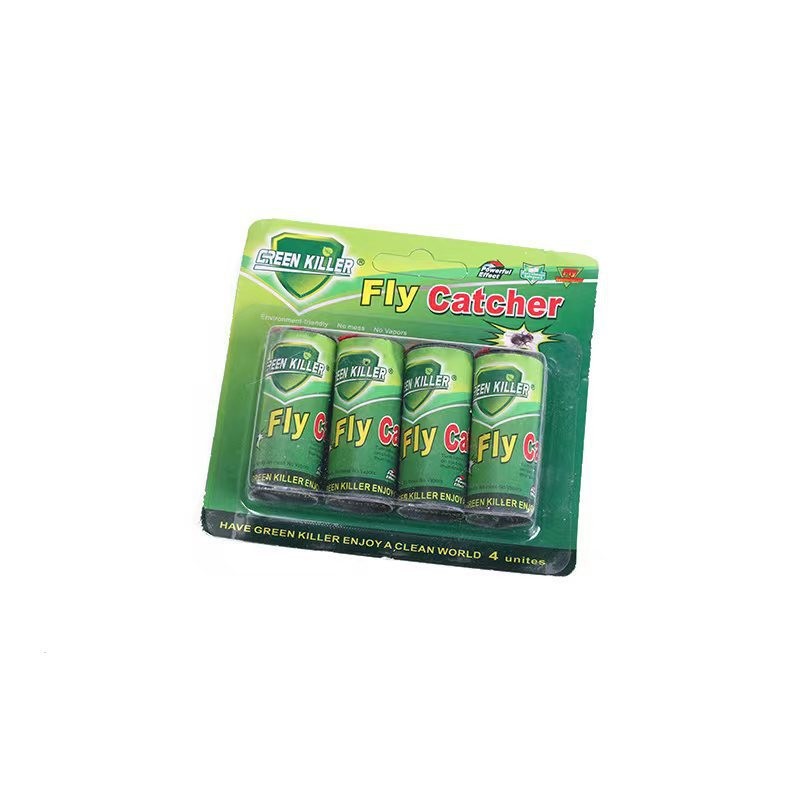
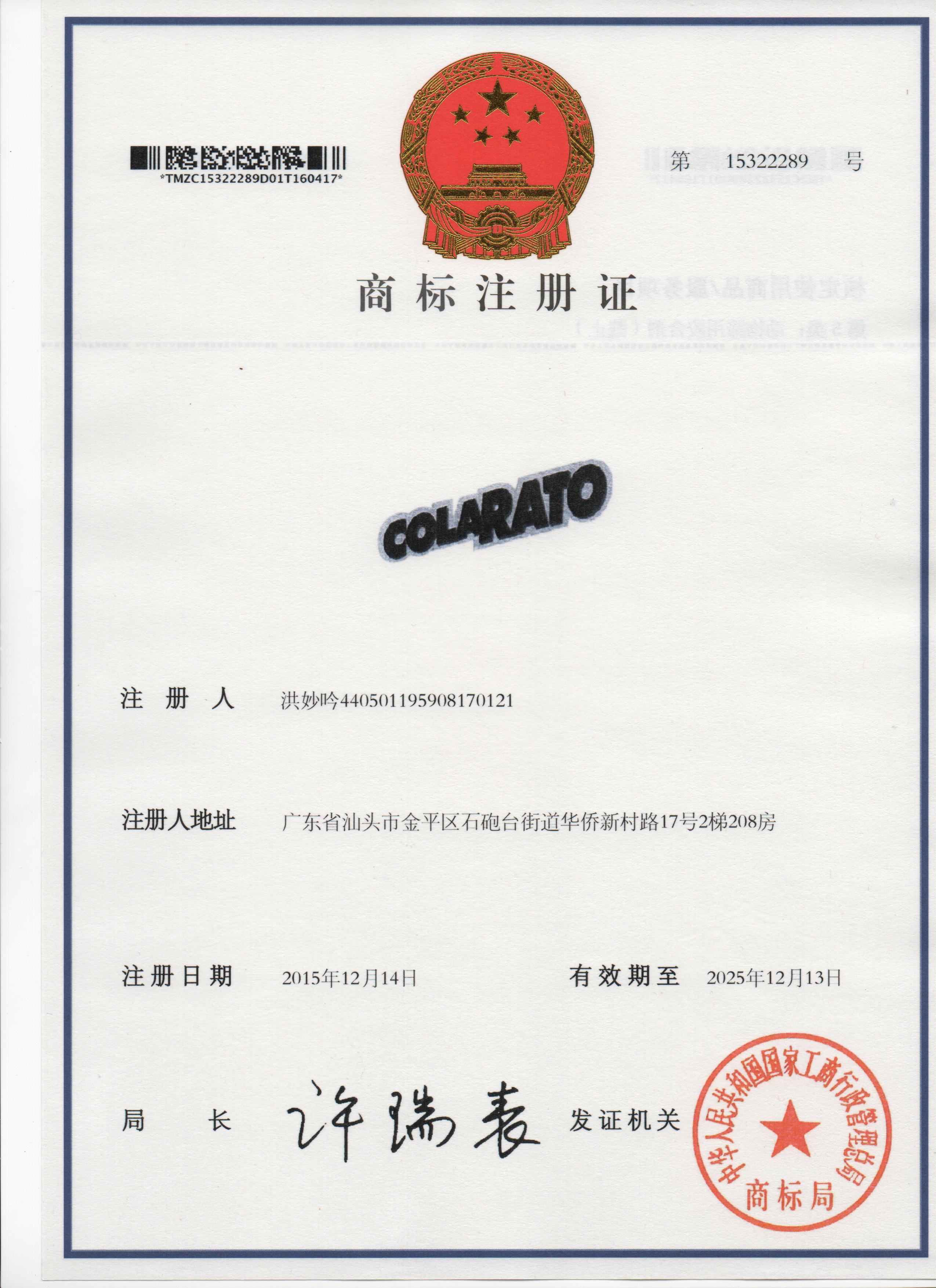
Volume optimization plays a vital role in containerized shipping economics. Standard manufacturing minimum order quantities (MOQs)—such as 10,000 units for mouse traps, 28,800 cards for fly traps, 300,000 sheets for fly paper, or 120,000 units for cockroach traps—are designed around standardized master carton dimensions. Alignment with container volume capacities ensures physical space is fully utilized, lowering freight expenditure per unit. Registered trademarks and official copyright documentation also streamline export clearance, avoiding administrative holds at customs checkpoints.
Large-scale supply agreements—such as delivering 1.8 million pest control units to Peru, 617,000 units to Brazil, or 40,000 units to India—demonstrate the necessity of standardized shipping protocols. Precise container load calculations prevent empty volume charges, while structured quality inspection routines across raw materials, assembly lines, and packaging stages ensure delivered goods strictly conform to destination import standards.
Data/Solution Comparison
| Shipping Method | Cost Structure Profile | Typical Extra Charges to Clarify | Delivery Lead Time | Primary Application Scenario |
|---|---|---|---|---|
| Sea Freight Shipping | Lowest unit cost for large-volume container loads | Origin/Destination THC, Demurrage, Port Surcharges, ISF Filing | 20 - 45 Days | Bulk commercial orders, global distribution networks |
| Air Freight Shipping | High cost based on chargeable volumetric weight | Fuel Surcharge (FSC), Security Fees, Terminal Handling, Express Clearance | 3 - 7 Days | Urgent stock replenishment, sample orders, prototype testing |
| Railway Transportation | Balanced cost and transit speed for landlocked routes | Border Transfer Fees, Rail Waybill Charges, Customs Transit Inspection | 12 - 20 Days | Cross-border logistics across Europe and Central Asia |
| Truck Transportation | Flexible door-to-door regional transit | Toll Fees, Border Clearance, Waiting Time Surcharges | 3 - 10 Days | Domestic delivery and regional cross-border logistics |
Frequently Asked Questions (FAQ)
What is the difference between FOB and DDP freight quotes for custom pest control products?
Under FOB terms, the seller covers factory transport, export customs, and origin port handling; the buyer assumes responsibility for ocean/air freight, import duties, destination customs clearance, and final delivery. Under DDP terms, the seller manages and pays for all transport costs, export/import duties, and delivery to the buyer's specified facility.
How do customized packaging specifications affect total shipping fees?
Custom carton packaging alters volumetric weight ratios. If custom packaging increases master carton dimensions without proportional weight, freight carriers charge based on dimensional volume rather than actual weight, raising overall transit costs.
What after-sales recourse exists if products suffer freight-related damage or adhesive degradation?
Quality defects originating from production must be documented with outer carton batch numbers and photos or videos within 15 days of cargo arrival. Confirmed manufacturing flaws qualify for direct replenishment or payment deductions. Damage caused by improper storage conditions or extreme environmental exposure during transit falls outside standard warranty exemptions.
Final Conclusion & Recommendations
Clarifying extra freight charges requires reviewing every stage of the supply chain—from origin terminal fees to destination customs clearance and inland drayage. Procuring under structured contracts like OEM or ODM manufacturing ensures clarity regarding container loading metrics, minimum order quantities, and quality verification standards. Buyers should establish structured payment terms, such as a 30% deposit prior to production with the remaining 70% balance paid before shipment, backed by secure payment channels like T/T or Alibaba Trade Assurance. Evaluating all potential surcharges upfront ensures predictable landed costs and prevents transit bottlenecks. For detailed technical solutions or support, please reach out to us via bob@jinwen-goods.com.
About Us
Yiwu Jinli Commodity Co., Ltd. operates as a dedicated pest control manufacturing enterprise established in 2010. Employing 80 specialists across modern production workshops, the facility maintains a daily output of 80,000 units with an export ratio of 70%. The company provides OEM and ODM customized solutions to clients across South America, the Middle East, Southeast Asia, Africa, and Europe, maintaining complete quality control across raw materials, assembly lines, and finished packaging.

Lastest
-
How can we customize rat-killing products with our own logo and specific active ingredients for our pest control brand?
2026-09-30 -
How do I find a manufacturer that can customize glue formulation for bonding silicone to metal?
2026-09-30 -
What options do I have for custom-made fly-killing products with our own logo and packaging?
2026-09-30 -
How do I choose the right active ingredients for custom-made pest control products targeting agricultural pests?
2026-09-30 -
How can I customize eco-friendly pest control products with my own brand logo and specific active ingredients?
2026-09-30
SUBSCRIBE
INQUIRY