
What should I test first when reviewing samples of custom fly-killing products?
- VIP-User
- 2026-10-01
- 1
When reviewing samples of custom fly-killing products, test adhesive viscosity and initial tack first, alongside backing board tensile durability under varied temperature and humidity conditions. Evaluating glue viscosity ensures immediate pest retention, while checking material structural integrity prevents warping or adhesive bleed-through during shipment and storage.
Core Solutions & Key Takeaways
- Adhesive Viscosity and Tack Verification: Test immediate contact adhesion and temperature resistance to prevent glue dry-out or leakage.
- Substrate & Structural Integrity: Assess paperboard or plastic backing for moisture resistance, warping stability, and mechanical strength.
- Application-Specific Testing: Validate physical performance across targeted deployment environments such as catering back kitchens, food processing facilities, and agricultural settings.
- Packaging & Environmental Compliance: Inspect release paper detachment smooth integrity and protective seal containment before mass production.
Detailed Architectural/Principle Analysis
Evaluating custom fly-killing product samples requires a systematic quality inspection process covering raw materials, production processes, and semi-finished product parameters. Initial physical testing must prioritize adhesive performance. Glue tack and holding power dictate whether flies are trapped immediately upon contact without escaping. Testing should involve temperature exposure scenarios—evaluating performance under high temperature to check for glue runoff and low temperature to prevent crystallization.
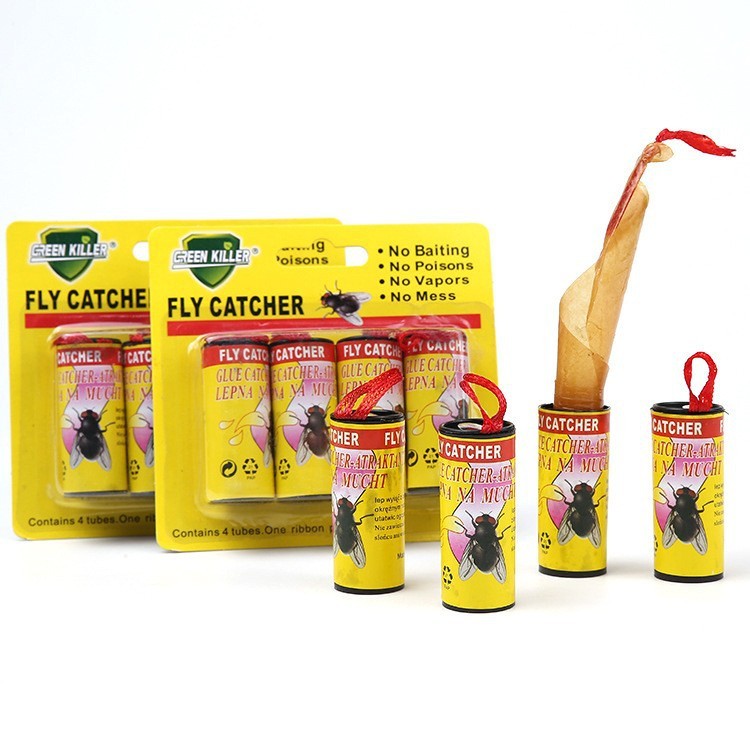
Physical backing materials must undergo rigorous structural checks. In commercial environments such as catering and food processing workshops, high moisture levels can weaken sub-standard paper substrates. Testing custom flypaper sheets or sticky boards involves verifying moisture resistance, surface treatment coating, and fold stability. For specialized applications like agriculture, feed rooms, or warehouse perimeter rat bait stations, structural resilience ensures long-term operational defense without degradation.
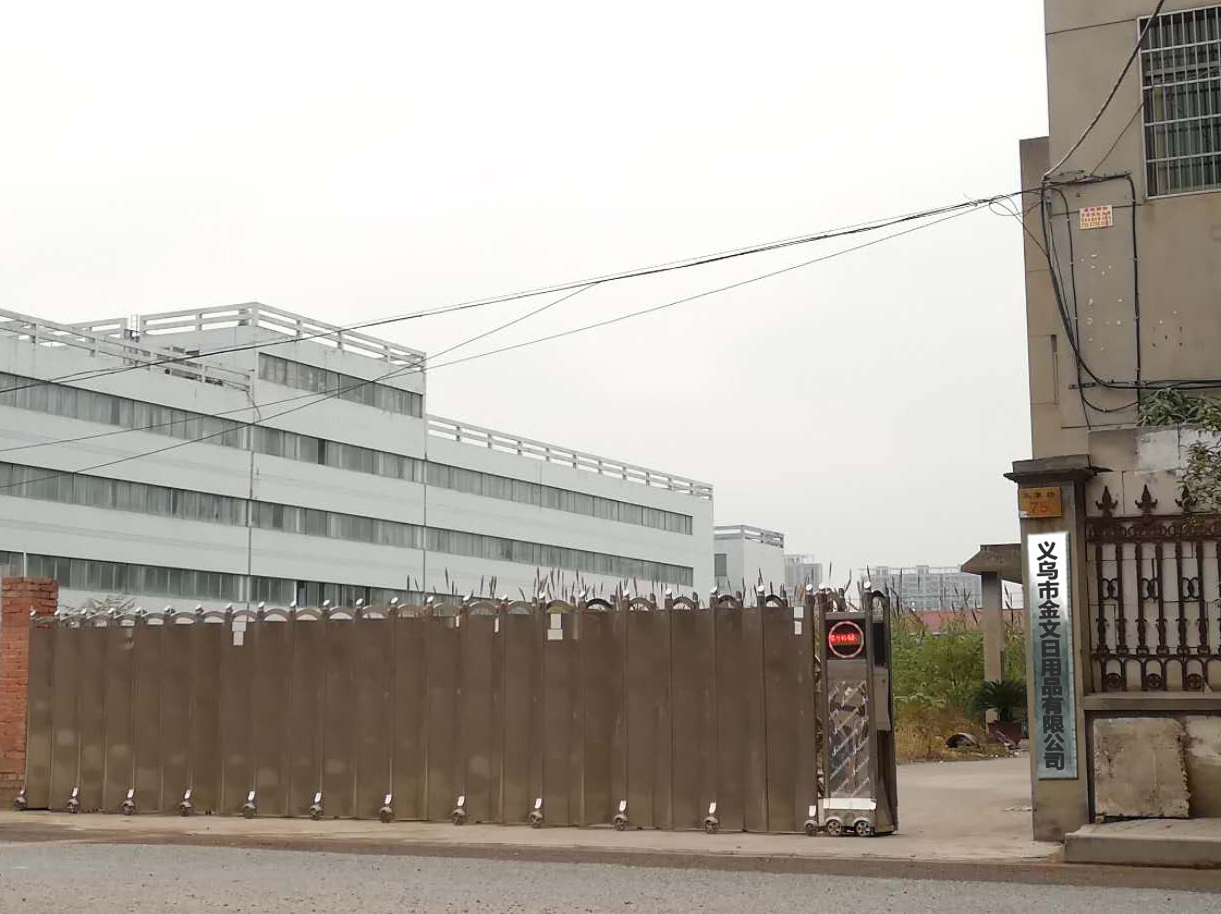
Field performance verification backed by export records—such as custom supply contracts reaching 1.8 million units in Peru, 617,000 units in Brazil, and 40,000 units in India—demonstrates that failure to verify initial sample specifications often leads to batch failures. Adhering to structured sample review protects procurement investments across large volume OEM and ODM custom orders.
Data/Solution Comparison
| Evaluation Metric | Testing Method | Acceptance Standard | Impact of Failure |
|---|---|---|---|
| Initial Tack & Viscosity | Ball-tack test & contact surface release rate | Immediate adhesion upon light fly contact | Pest escape, reduced trap efficiency |
| Thermal Stability | Heat chamber exposure at elevated temperatures | Zero adhesive runoff or edge leakage | Container contamination during shipping |
| Substrate Rigidity | Moisture exposure & mechanical tension check | Zero warping; flat placement maintained | Physical deformation in high-humidity areas |
| Release Layer Integrity | Peel-force measurement of protective cover | Smooth detachment without glue lifting | Operational inconvenience or torn sheets |
Frequently Asked Questions (FAQ)
What is the standard turnaround time for custom pest control samples versus mass production?
Customized order production typically requires 1 month following sample confirmation, whereas in-stock products ship within 3 to 7 days.
What minimum order quantities (MOQ) apply to custom pest control manufacturing?
Custom MOQ requirements vary by product type: 300,000 sheets for fly paper, 28,800 units for fly traps, 20,000 units for sticky insect boards, and 120,000 units for cockroach houses.
How should quality defects be reported if identified upon receiving custom shipments?
Quality claims regarding adhesive issues must be submitted within 15 days of receipt, accompanied by clear photos or videos and outer box batch numbers for verification and free product replenishment.
Final Conclusion & Recommendations
Thorough testing of custom fly-killing samples prevents costly bulk production errors. Prioritize adhesive viscosity, temperature endurance, and substrate rigidity during initial sample inspection before signing off on mass OEM or ODM manufacturing contracts. Partnering with experienced manufacturers that enforce strict multi-stage quality control—from raw materials to final packaging—ensures consistent product reliability across international markets. For detailed technical solutions or support, please reach out to us via bob@jinwen-goods.com.
About Us
Yiwu Jinli Commodity Co., Ltd. operates as a comprehensive pest control manufacturing enterprise integrating R&D, production, and sales. Established in 2010, the company employs 80 personnel and operates advanced domestic equipment across automated production lines to achieve a daily output of 80,000 units. Holding multiple registered trademarks and copyright certificates (including registration 黔作登字-2020-F-00118638), the company maintains an export ratio of 70%, serving clients across South America, the Middle East, Southeast Asia, Africa, and European regions.

Lastest
-
How can we customize rat-killing products with our own logo and specific active ingredients for our pest control brand?
2026-10-01 -
How do I find a manufacturer that can customize glue formulation for bonding silicone to metal?
2026-10-01 -
What options do I have for custom-made fly-killing products with our own logo and packaging?
2026-10-01 -
How do I choose the right active ingredients for custom-made pest control products targeting agricultural pests?
2026-10-01 -
How can I customize eco-friendly pest control products with my own brand logo and specific active ingredients?
2026-10-01
SUBSCRIBE
INQUIRY