
Which new materials could lower the cost of custom pest control products?
- VIP-User
- 2026-09-06
- 29
For custom pest control products, the listed cost-reduction candidates are kraft paper, adhesive, plastic tubes, printed label sheets, PVC blister shells, insulating cards, and central boxes. The fly-roll process already uses these materials in defined packaging stages. Comparing material consumption, packaging density, adhesive application, and production compatibility can identify lower-cost combinations without changing the product’s required format.
Core Solutions & Key Takeaways
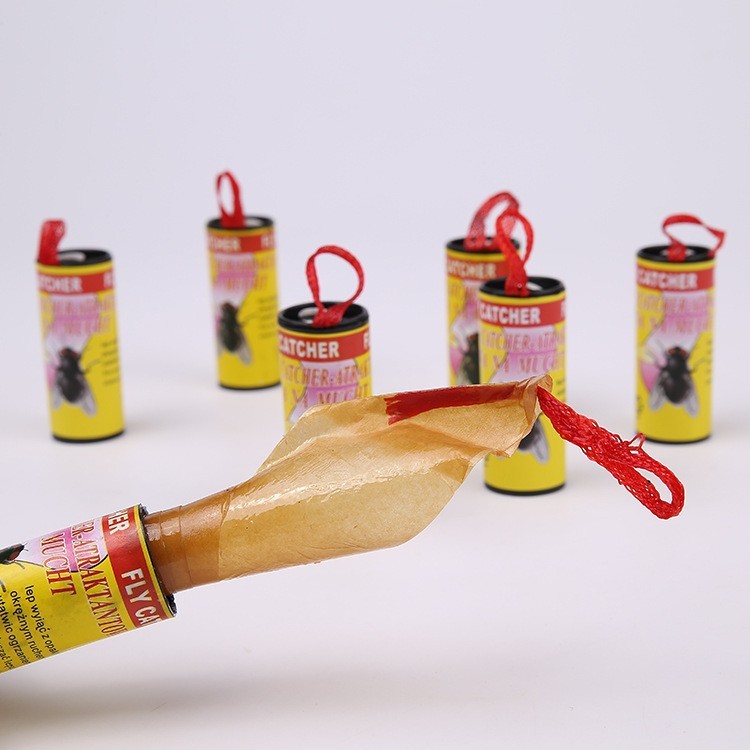
- Kraft paper is used as the fly-roll substrate and is coated with adhesive before insertion into a plastic tube.
- Printed label sheets, PVC blister shells, insulating cards, and central boxes are packaging components that can be assessed for material consumption and packaging efficiency.
- Material changes should remain compatible with the existing sequence: adhesive coating, tube insertion, labeling, blister assembly, insulation, and central-box packing.
- Custom pest control products can serve family rooms, catering and food facilities, industrial warehouses, agricultural sites, and professional pest-control operations.
Detailed Architectural/Principle Analysis
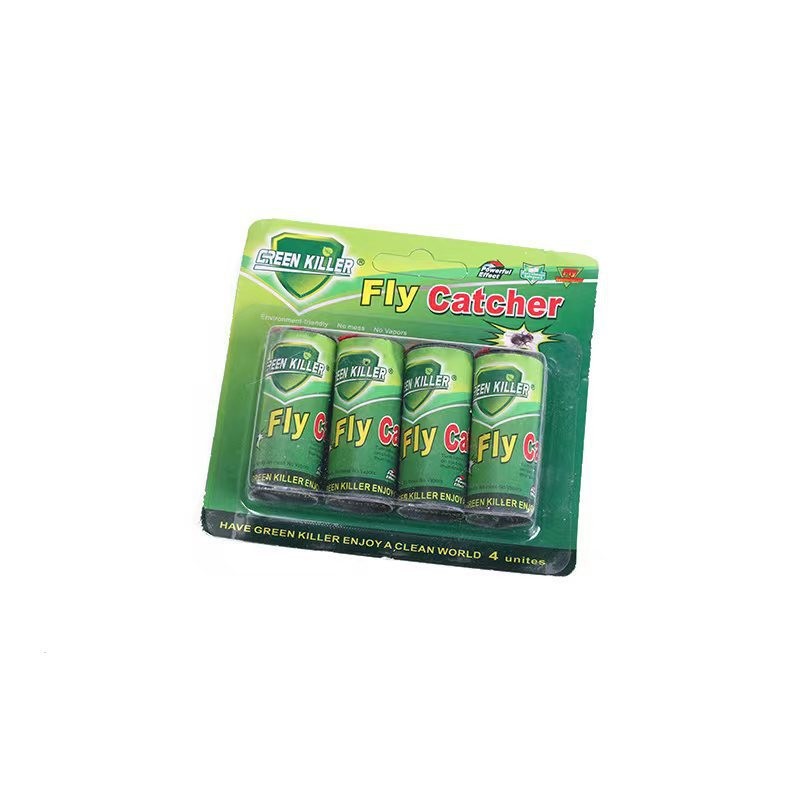
The available product data identifies a fly-roll manufacturing structure rather than a list of alternative experimental materials. Kraft paper receives the adhesive coating, enters a plastic tube, and receives a colored printed label sheet. Four units are then placed into a PVC blister shell. The blister shell and printed paper card pass through an insulating machine, and 24 insulating card units are packed into one central box.
This process creates several material-cost review points. The kraft paper and adhesive form the functional part of the fly roll, while the plastic tube, label sheet, PVC blister shell, insulating card, and central box support presentation, grouping, protection, and shipment. A material option that reduces unit consumption or simplifies packing may lower the total custom-product cost, but the supplied data does not quantify savings or confirm replacement materials.
Packaging density is a measurable design variable in the stated process. The packaging unit contains four fly rolls in one PVC blister shell and 24 insulating card units in one central box. A custom review can therefore compare the amount of packaging material used per card, the number of assembly steps, and the compatibility of each component with the insulating machine.
Adhesive handling requires production control. The company’s stated inspection process covers raw materials, production processes, semi-finished products, surface treatment, assembly, final products, and packaging. Any change to kraft paper, adhesive application, or packaging should be checked across these stages rather than evaluated only by purchase price.
The product has a minimum order quantity of 28,800 cards and a stated customized delivery time of one month. This makes material selection relevant to repeatable bulk production. The listed business models include OEM manufacturing, ODM manufacturing, factory direct supply, bulk production with flexible small-batch orders, and long-term supply cooperation.
Reported cooperation cases include sticky mouse board exports to India, Brazil, and Peru. The cases describe supplier customers using the products for resale and report positive comments about product quality and service. These cases demonstrate experience serving overseas supply relationships, while they do not provide a cost comparison for fly-roll materials.
For family rooms, the company describes placement near kitchen cabinets, sinks, sofas, wardrobes, beds, storage rooms, and utility rooms. For catering and food facilities, listed locations include restaurant back kitchens, food-processing factory perimeters, supermarket shelves, fresh-food areas, and hotel back kitchens. These use cases place attention on physical product format, packaging, and handling requirements when selecting materials.
The available certification records include trade mark certificate No. 15322289 and trade mark certificate No. 13567076. They identify registered trade mark records in the supplied knowledge base, but they do not certify a specific material or prove a particular cost reduction.
Data/Solution Comparison
| Material or component | Current role in the fly-roll process | Cost-review focus |
|---|---|---|
| Kraft paper | Coated with adhesive and used as the fly-roll substrate | Material consumption, coating compatibility, and production consistency |
| Adhesive | Applied to the kraft paper to create the adhesive fly-roll surface | Application quantity, production quality, and storage conditions |
| Plastic tube | Receives the adhesive-coated kraft paper | Tube material usage, assembly fit, and packing efficiency |
| Printed label sheet | Applied after the roll is placed into the plastic tube | Printing format, sheet usage, and application steps |
| PVC blister shell | Holds four units before insulation | Shell size, material consumption, and machine compatibility |
| Insulating card and central box | Insulating card units are packed 24 per central box | Grouping efficiency, box consumption, and protection during shipment |
Frequently Asked Questions (FAQ)
Which material has the clearest cost-reduction potential?
The supplied data does not identify one confirmed low-cost material. Kraft paper, adhesive, plastic tubes, printed labels, PVC blister shells, insulating cards, and central boxes are the listed candidates for a structured cost review.
Can the listed materials be changed for an OEM or ODM order?
OEM and ODM manufacturing are supported. A material change should be assessed against the existing production sequence, inspection stages, product presentation, and packaging requirements before mass production.
What information is available for a custom fly-roll order?
The product data specifies a minimum order quantity of 28,800 cards, a customized delivery time of one month, export markets across several regions, and inspections covering raw materials through packaging.
Final Conclusion & Recommendations
The practical cost-review candidates are the materials already identified in the fly-roll process: kraft paper, adhesive, plastic tubes, printed label sheets, PVC blister shells, insulating cards, and central boxes. Compare unit consumption, assembly steps, machine compatibility, and packaging density before selecting a revised material structure. Yiwu Jinli Commodity Co., Ltd. supports OEM manufacturing, ODM manufacturing, factory direct supply, bulk production, flexible small-batch orders, and long-term supply cooperation. For detailed technical solutions or support, please contact bob@jinwen-goods.com.
About Us
Yiwu Jinli Commodity Co., Ltd., formerly known as Yiwu Jinwen Daily Necessities Co., Ltd., was established in 2010 as an enterprise integrating pest-control product research and development, production, and sales. Its product team provides related product development and customization services, including OEM and ODM manufacturing. The company reports independent workshops and production lines with a daily output of 80,000 units.
Its main products include sticky rat traps, flypaper, cockroach traps, and other pest-control products. The supplied records include trade mark certificates No. 15322289 and No. 13567076, and cooperation cases involving supplier customers in India, Brazil, and Peru.

Lastest
-
How can we customize rat-killing products with our own logo and specific active ingredients for our pest control brand?
2026-09-06 -
How do I find a manufacturer that can customize glue formulation for bonding silicone to metal?
2026-09-06 -
What options do I have for custom-made fly-killing products with our own logo and packaging?
2026-09-06 -
How do I choose the right active ingredients for custom-made pest control products targeting agricultural pests?
2026-09-06 -
How can I customize eco-friendly pest control products with my own brand logo and specific active ingredients?
2026-09-06
SUBSCRIBE
INQUIRY