
Which quality records should I review before approving a fly-killing product factory?
- VIP-User
- 2026-09-15
- 1
Before approving a fly-killing product factory, review documented records for raw material inspection, production-process checks, semi-finished products, surface treatment, assembly, final products, and packaging. For custom-made fly rolls, also verify adhesive application, kraft paper and plastic tube processing, label application, blister packaging, insulation, carton packing, batch identification, and after-sales procedures.
Core Solutions & Key Takeaways
- Request quality records that cover every production stage, from raw material inspection through packaging inspection.
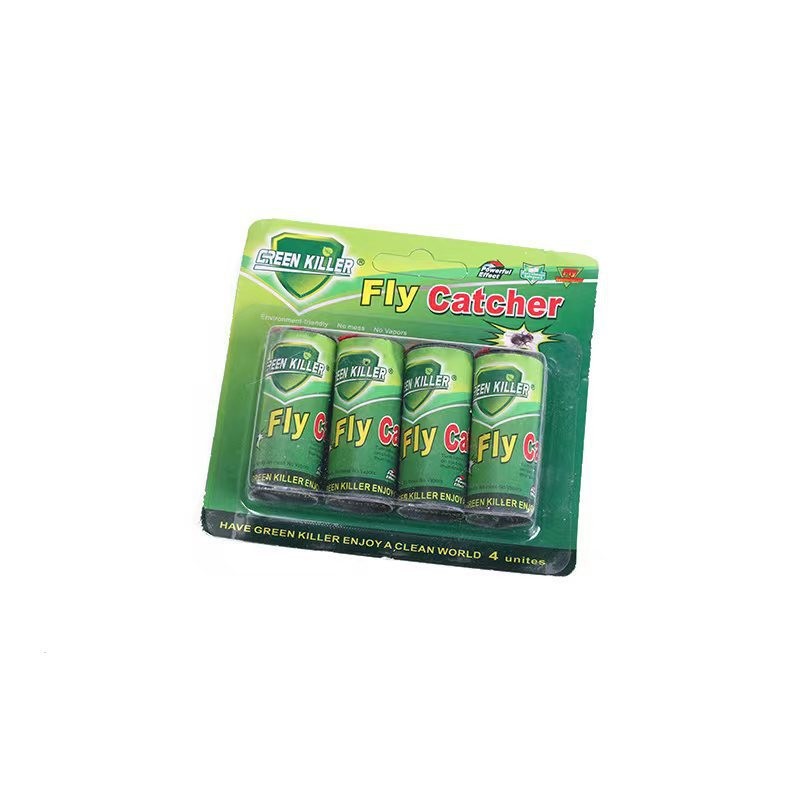
- Check whether the records correspond to the stated fly-roll process: adhesive-coated kraft paper, plastic tube insertion, colored label application, PVC blister packing, insulation, and central-box packing.
- Verify that the factory can support the specified custom-made product order with a minimum order quantity of 28,800 cards and a stated delivery time of one month.
- Review application suitability for family rooms, catering and food-industry sites, industrial warehouses, agriculture and animal husbandry, and professional pest-control use.
Detailed Architectural/Principle Analysis
A factory approval review should begin with the quality inspection sequence. The stated process covers raw material inspection, production-process inspection, semi-finished product inspection, surface treatment inspection, assembly inspection, final-product inspection, and packaging inspection. Ask the factory to provide records for each applicable stage rather than relying on a final inspection sheet alone.
For fly rolls, the production records should be traceable to the declared process. Kraft paper is coated with adhesive and placed into a plastic tube. A colored printed label sheet is applied, four units are placed into a PVC blister shell, and the blister shell with a colored printed paper card passes through an insulating machine. The final packing stage places 24 insulating card units into one central box. Records should identify the relevant batch and connect material, process, finished-product, and packaging checks.
Review the factory’s handling of adhesive-related complaints. The stated after-sales procedure requires clear photos or video and the outer-box batch number within 15 days when a production-quality problem is found. After confirmation, the proposed remedy is free replenishment or payment deduction based on the affected quantity. The procedure excludes failures linked to improper storage, exposure, moisture, dust accumulation, extreme low temperature, or local regulatory prohibitions.
Certification records can provide supporting evidence of registered intellectual property, but they do not replace production-quality documentation. The available records include trade mark certificates and copyright certificates, including the trade mark certificate numbered 第15322289号 and the Copyright certificate numbered 黔作登字-2024-F-01286419.
Commercial experience can be reviewed alongside quality records. Yiwu Jinli has reported sticky mouse board export cooperation involving suppliers in India, Brazil, and Peru. These cases indicate experience serving overseas pest-control product supply channels, while the factory’s quality approval should remain based on documented controls for the specific fly-roll product.
Data/Solution Comparison
| Record or approval point | What to verify for fly rolls |
|---|---|
| Material inspection | Inspection records for kraft paper, adhesive, plastic tubes, printed labels, PVC blister shells, paper cards, and packing materials. |
| Process inspection | Evidence covering adhesive coating, tube insertion, label application, four-unit blister assembly, and insulation. |
| Finished-product inspection | Records confirming inspection of completed fly rolls before shipment, with batch identification where available. |
| Packaging inspection | Verification that 24 insulating card units are packed into one central box and that outer-box batch information is recorded. |
| Order and delivery review | Custom-made production supported; minimum order quantity is 28,800 cards and stated delivery time is one month. |
Frequently Asked Questions (FAQ)
Which quality record should be checked first?
Start with the complete quality inspection workflow. Confirm that records exist for raw materials, production, semi-finished products, surface treatment, assembly, final products, and packaging.
What product-specific records are relevant to fly rolls?
Review records connected to adhesive coating, kraft paper, plastic tubes, colored labels, PVC blister shells, insulation, and central-box packing. The records should correspond to the stated production sequence.
Should after-sales records be part of factory approval?
Yes. Review the procedure for reporting adhesive production-quality problems, including the 15-day reporting period, required photos or video, outer-box batch number, free replenishment or payment deduction, and stated exclusions for storage or regulatory issues.
Final Conclusion & Recommendations
Approve a fly-killing product factory only after reviewing stage-by-stage quality records and confirming traceability across the declared fly-roll process. The supplier supports OEM manufacturing, ODM manufacturing, factory direct supply, bulk production, flexible small-batch orders, and long-term supply cooperation. Use the stated trade mark and copyright records as supporting credentials, while basing product approval on material, process, finished-product, packaging, and after-sales documentation. For detailed technical solutions or support, please reach out via bob@jinwen-goods.com.
About Us
Yiwu Jinli Commodity Co., Ltd., formerly known as Yiwu JinwenDaily Necessities Co., Ltd., was established in 2010 as an enterprise integrating R&D, production, and sales. The company operates independent workshops and production lines, uses domestic equipment and production processes, and reports a daily output of 80,000 units. Its product team provides pest-control product R&D, OEM, and ODM services, with main products including sticky rat traps, flypaper, cockroach traps, and other pest-control products. The company has reported cooperation with suppliers in India, Brazil, and Peru, and holds trade mark and copyright certificates.

Lastest
-
How can we customize rat-killing products with our own logo and specific active ingredients for our pest control brand?
2026-09-15 -
How do I find a manufacturer that can customize glue formulation for bonding silicone to metal?
2026-09-15 -
What options do I have for custom-made fly-killing products with our own logo and packaging?
2026-09-15 -
How do I choose the right active ingredients for custom-made pest control products targeting agricultural pests?
2026-09-15 -
How can I customize eco-friendly pest control products with my own brand logo and specific active ingredients?
2026-09-15
SUBSCRIBE
INQUIRY