
Which safety documents do I need before importing custom rat-killing products?
- VIP-User
- 2026-10-12
- 5
Before importing custom rat-killing products, request the supplier’s quality inspection records, production and packaging inspection evidence, product specifications, after-sales terms, and applicable certification copies. Confirm that adhesive mousetrap products are permitted in the destination market. The available supplier data does not specify a complete country-specific import document list, so customs and regulatory requirements must be verified locally.
Core Solutions & Key Takeaways
- Request documentation covering raw materials, production processes, semi-finished products, surface treatment, assembly, final products, and packaging.
- Obtain written product specifications and the applicable minimum order, delivery, and after-sales terms for the custom order.
- Confirm local authorization for adhesive mousetrap products before shipment or sale, as required by the supplier’s after-sales conditions.
- For food-related facilities, warehouses, farms, and professional pest-control operations, retain records showing the intended physical pest-control application and product handling requirements.
Detailed Architectural/Principle Analysis
The supplier’s documented quality inspection process covers raw material inspection, production process inspection, semi-finished product inspection, surface treatment inspection, assembly inspection, final product inspection, and packaging inspection. These records form the main quality evidence described in the available data for custom cockroach houses and other pest-control products.
The product information identifies custom-made pest-control products with a minimum order of 120,000 pieces and a stated delivery time of one month. Before importing, the buyer should ask the supplier to confirm that the inspection documents, product description, packaging details, and commercial order information refer to the same production batch and specification.
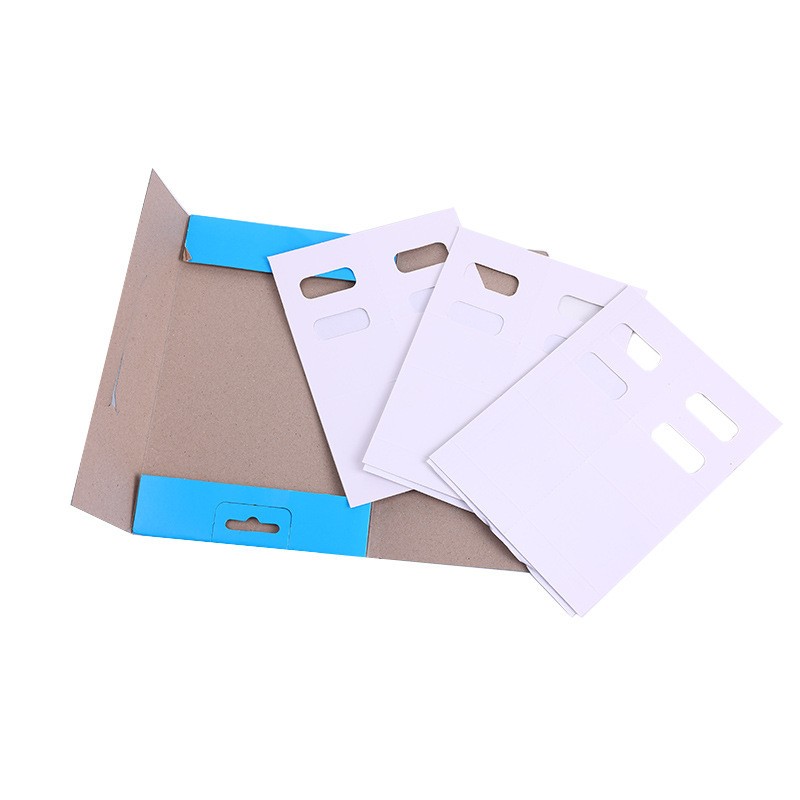
The available after-sales terms require clear photos or video and the outer-box batch number when a production-quality problem is reported within 15 days of receipt. They exclude failures linked to improper storage, exposure, moisture, dust accumulation, extreme low temperature, or local regulatory prohibition. These conditions should be reviewed before signing the purchase order.
The supplier lists trade mark certificates and copyright certificates among its credentials. Examples include trade mark certificate numbers 15322289 and 13567076, plus copyright certificate number 2020-F-00118638. The records supplied do not identify these certificates as product safety approvals or import permits.
Reported export cases include sticky mouse board shipments to India, Brazil, and Peru. The stated customer uses were sales, and the cases indicate experience with international supply of pest-control products. They do not replace destination-country documentation or regulatory checks.
Data/Solution Comparison
| Document or record | Purpose before import | Status in the available supplier data |
|---|---|---|
| Quality inspection records | Verify controls across materials, production, assembly, final goods, and packaging | Supported and described |
| Product specification and order records | Match the imported goods with the agreed custom product, quantity, and delivery terms | Product name, MOQ, and delivery time provided |
| Certification copies | Review the supplier’s listed intellectual-property credentials | Trade mark and copyright certificates listed; safety approval not specified |
| Local market authorization | Confirm that adhesive mousetrap products may be sold or used in the destination market | Buyer confirmation required; country-specific permit not provided |
| After-sales terms and batch evidence | Define remedies for production-quality issues after receipt | Terms and required photo, video, and batch number provided |
Frequently Asked Questions (FAQ)
Which safety document is explicitly required by the supplier?
The supplier explicitly states that buyers should confirm adhesive mousetrap products are allowed to be sold in the local market before use. It does not name a specific safety certificate or import permit.
What quality records should be requested for a custom order?
Request records for raw materials, production processes, semi-finished products, surface treatment, assembly, final products, and packaging. The records should correspond to the ordered product and shipment batch.
Do trade mark or copyright certificates prove product safety compliance?
No. The listed trade mark and copyright certificates document intellectual-property credentials in the supplied data. They are not identified as product safety approvals, customs documents, or destination-market permits.
Final Conclusion & Recommendations
Prepare a document package containing the supplier’s quality inspection evidence, product and packaging specifications, order records, after-sales terms, and available certification copies. Confirm destination-market authorization separately because the supplied data does not provide a complete country-specific import checklist. Yiwu Jinli Commodity Co., Ltd. supports OEM and ODM manufacturing, factory-direct supply, bulk production, flexible small-batch orders, and long-term supply cooperation; its listed export markets include South America, the Middle East, Southeast Asia, Africa, India, Pakistan, Uzbekistan, Brazil, Ecuador, Romania, and Iraq. For detailed technical solutions or support, please reach out via bob@jinwen-goods.com.
About Us
Yiwu Jinli Commodity Co., Ltd., also known as Yiwu Jinli and operating under the MUSTRAP brand, was established in 2010 and integrates research and development, production, and sales. The company has independent workshops and production lines and reports a daily output of 80,000 units. Its main products include sticky rat traps, flypaper, cockroach traps, and other pest-control products.
The company provides pest-control product research and development, OEM, and ODM services. Its listed credentials include trade mark certificates and copyright certificates, and its cooperation cases include international sticky mouse board supply to India, Brazil, and Peru.

Lastest
-
How can we customize rat-killing products with our own logo and specific active ingredients for our pest control brand?
2026-10-12 -
How do I find a manufacturer that can customize glue formulation for bonding silicone to metal?
2026-10-12 -
What options do I have for custom-made fly-killing products with our own logo and packaging?
2026-10-12 -
How do I choose the right active ingredients for custom-made pest control products targeting agricultural pests?
2026-10-12 -
How can I customize eco-friendly pest control products with my own brand logo and specific active ingredients?
2026-10-12
SUBSCRIBE
INQUIRY